
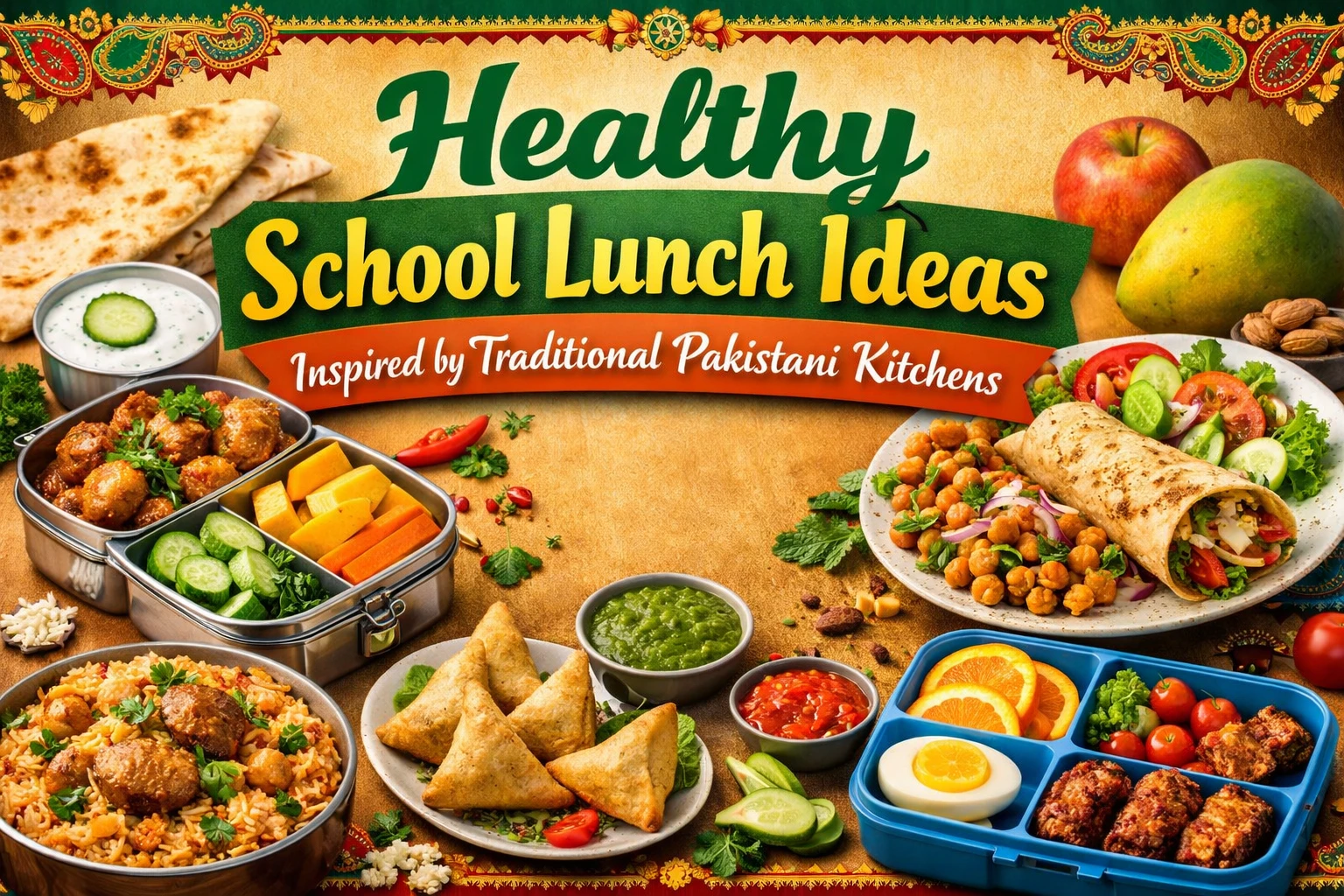
Healthy School Lunch Ideas Inspired by Traditional Pakistani Kitchens
Packing a healthy school lunch is one of the most practical ways parents can support focus, memory, and classroom performance. While many lunchboxes today are filled with processed snacks and sugary spreads, traditional Pakistani kitchens offer better alternatives built around balance, flavor, and nourishment.
Many families are now turning back to heritage food traditions and trusted brands like Soghat e Khas to recreate authentic flavors at home. Adding small portions of traditional desi pickles, such as mango, garlic, lemon, or mixed vegetable varieties can make simple school meals more appealing without relying on artificial sauces.
Healthy School Lunch Ideas Inspired by Traditional Pakistani Kitchens
Healthy School Lunch Ideas Inspired by Traditional Pakistani Kitchens
Packing a healthy school lunch is one of the most practical ways parents can support focus, memory, and classroom performance. While many lunchboxes today are filled with processed snacks and sugary spreads, traditional Pakistani kitchens offer better alternatives built around balance, flavor, and nourishment.
Many families are now turning back to heritage food traditions and trusted brands like Soghat e Khas to recreate authentic flavors at home. Adding small portions of traditional desi pickles, such as mango, garlic, lemon, or mixed vegetable varieties can make simple school meals more appealing without relying on artificial sauces.
Why Traditional Pakistani Lunches Support Better Learning
Traditional Pakistani meals are naturally structured around:
- Whole grains (roti, chapati, paratha)
- Plant-based proteins (daal, chickpeas)
- Fresh vegetables
- Fermented or sun-matured condiments
Unlike heavily processed lunch items, these foods provide steady energy release, helping children stay attentive during long school hours.
Even a small serving of pickle like Lahori Lasoora, Green Chilli, Lemon, or Multani Mango can enhance taste and encourage children to finish healthier main items such as vegetables or daal.
5 Healthy School Lunch Ideas Inspired by Desi Kitchens
1 Vegetable Chapati Roll with Light Pickle
Whole wheat chapati filled with sautéed seasonal vegetables. Add a small portion of mild pickle for flavor instead of processed sauces.
2 Egg & Mint Chutney Sandwich
Boiled egg slices with mint chutney in brown bread. This combination provides protein for sustained concentration.
3 Mini Daal & Roti Lunch Box
A small insulated portion of daal with bite-sized rotis. Balanced, filling, and classroom-friendly.
4 Paratha with Yogurt & Lemon Pickle
Lightly cooked paratha paired with plain yogurt and a small amount of lemon or garlic pickle for taste balance.
5 Chickpeas & Salad Wrap
Boiled chickpeas with cucumber, tomatoes, and light spices wrapped in chapati. Add crushed mix pickle for a bold but controlled flavor boost.
Tradition Encourages Better Eating Habits
Taha, founder of Soghat e Khas, explains that familiarity plays a major role in children’s eating behavior:
“Children naturally respond to flavors they grow up with at home. When traditional foods are prepared with quality ingredients and balanced portions, they support both nutrition and cultural connection. The key is moderation and authenticity.”
This highlights an important shift among parents who prefer recognizable ingredients over artificial additives.
Why Parents Are Moving Away from Processed Lunch Options
Many packaged snacks contain refined sugars, artificial flavor enhancers, and preservatives that may cause energy crashes. Traditional foods, on the other hand, rely on:
- Natural oils
- Whole spices
- Sun-matured preservation methods
- Small-batch preparation
When used in moderation, traditional condiments can make healthy meals more enjoyable without compromising nutritional value.
Supporting Academic Performance Through Smart Food Choices
Balanced lunches contribute to:
- Stable energy levels
- Better classroom focus
- Improved mood
- Long-term healthy eating habits
By incorporating traditional kitchen elements into school lunches, parents are not just feeding children, they are reinforcing routine, discipline, and cultural identity.
Final Thoughts
Healthy school lunches do not need to be complicated or expensive. In many cases, the best solutions already exist in traditional Pakistani kitchens. Whole grains, simple proteins, seasonal vegetables, and small portions of authentic condiments create meals that support both learning and wellbeing.
When thoughtfully prepared, traditional flavors can work beautifully within modern lunchbox routines—bridging heritage and education in one simple meal.


